5 Signs Your Data Is Already Leaked Online

5 Signs Your Data Is Already Leaked Online

In June 2025, cybersecurity researchers uncovered a searchable database containing over 16 billion leaked credentials, aggregated from infostealer malware across roughly 30 datasets. Platforms affected included Google, Apple, and Facebook. The people whose passwords appeared in that file had no idea. That is how data leaks work. There is no alarm, no notification, and no…

The Dark Side of Cybersecurity What the Industry Won't Tell You
|

The Dark Side of Cybersecurity: What the Industry Won’t Tell You

The world will spend over $377 billion on cybersecurity by 2028. The bad guys are still winning. Behind every threat intel report and conference keynote is a grimmer story about a shadow economy that has outpaced every defense thrown at it. This is not the cybersecurity story vendors pitch you. This is the one that…

Protecting Your Identity from AI Voice Cloning Scams

Protecting Your Identity from AI Voice Cloning Scams

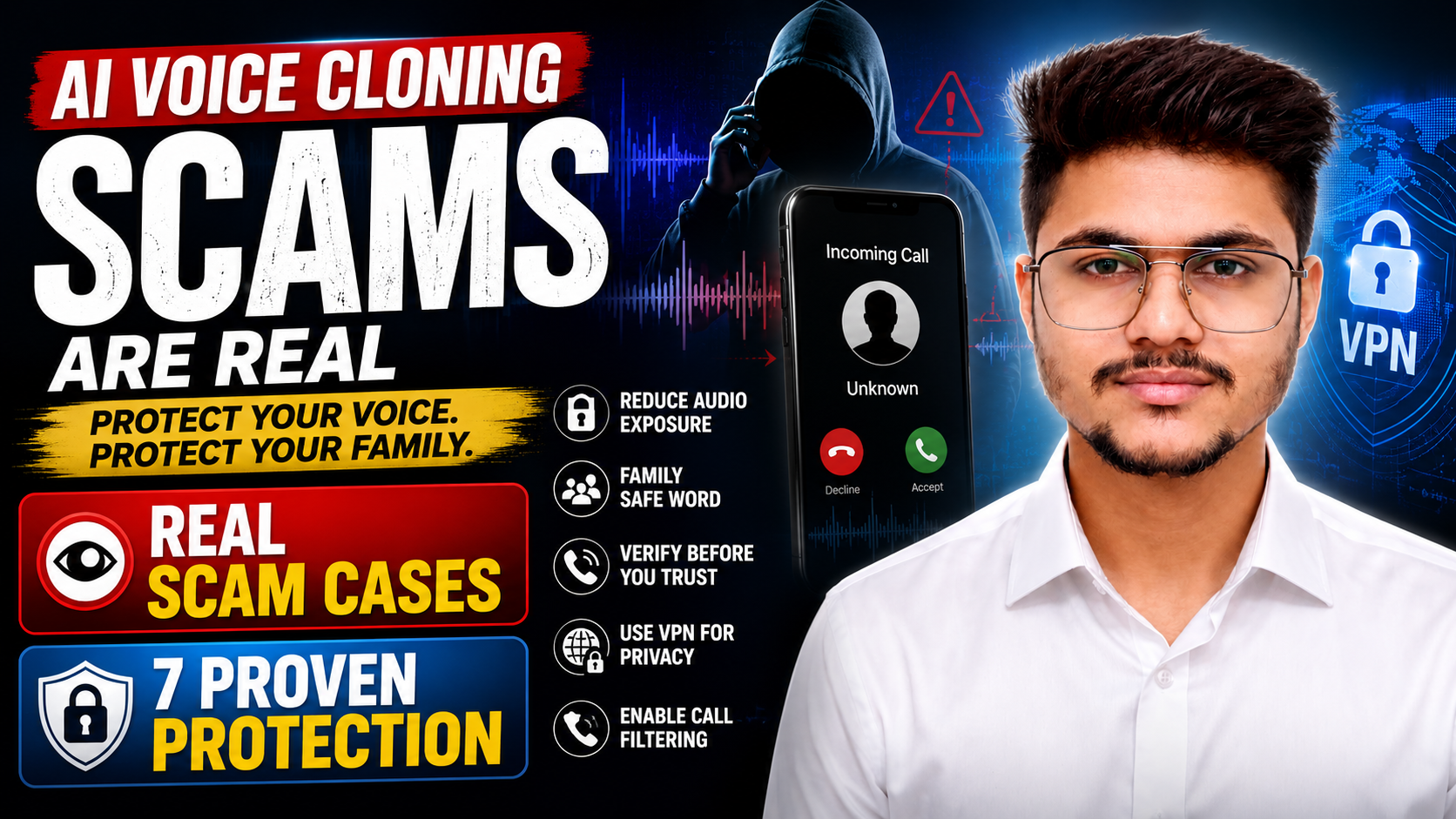
AI voice cloning has moved from a research curiosity to an active criminal tool. Scammers can now replicate any person’s voice using a short audio sample pulled from a social media video or voice note – and use it to defraud their family members, colleagues, or employers over the phone. The technology is widely accessible,…

Stop Making These 5 Common Mistakes: How Hackers Really Steal Your Data

Stop Making These 5 Common Mistakes: How Hackers Really Steal Your Data

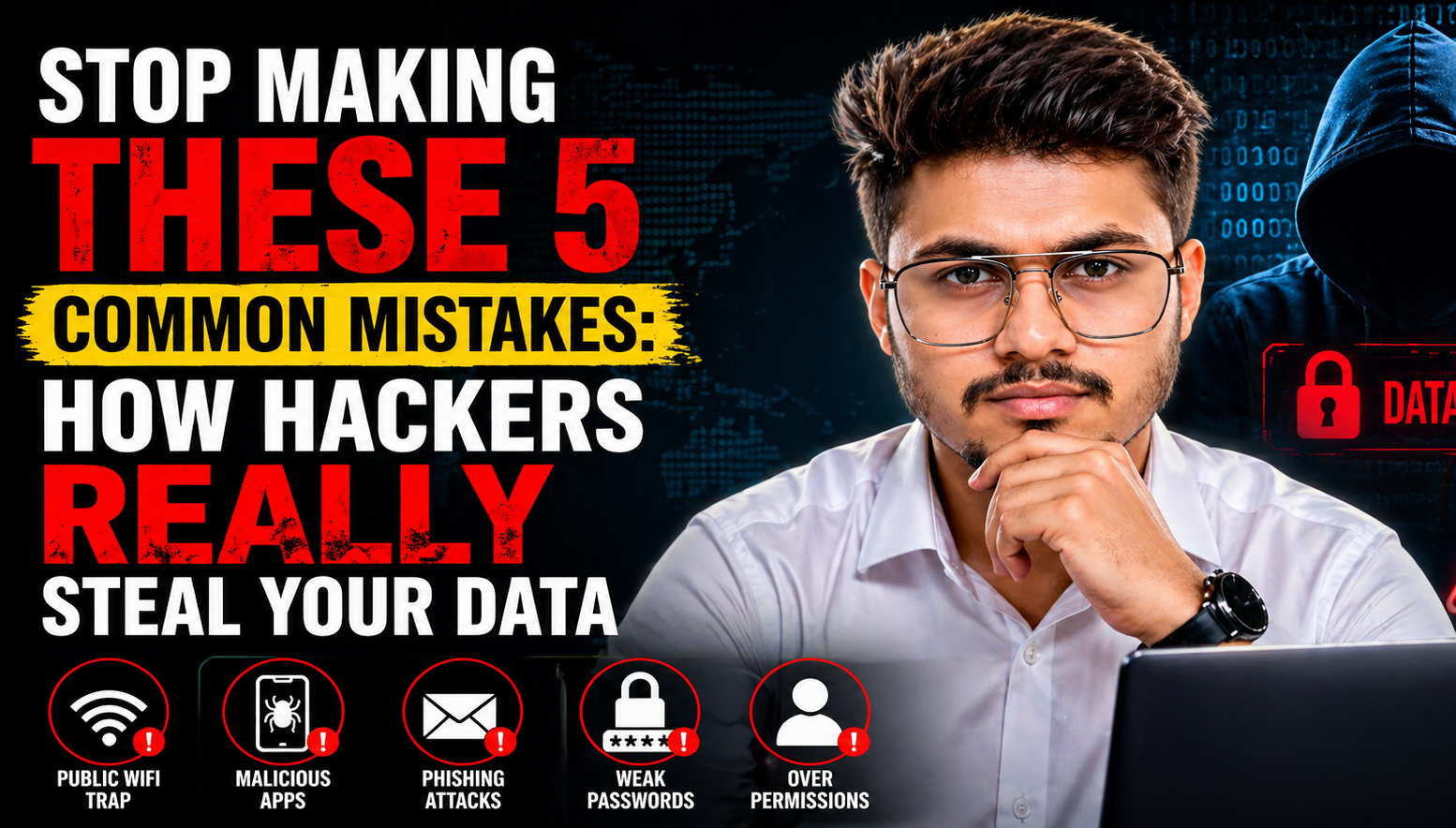
most people believe that hackers are “digital wizards” who use complex code to break through high-tech firewalls. While sophisticated attacks do exist, the reality is much simpler – and scarier. Most cybercriminals don’t “break in”; they are “let in” through small, everyday human errors. If you think your data is safe just because you have…

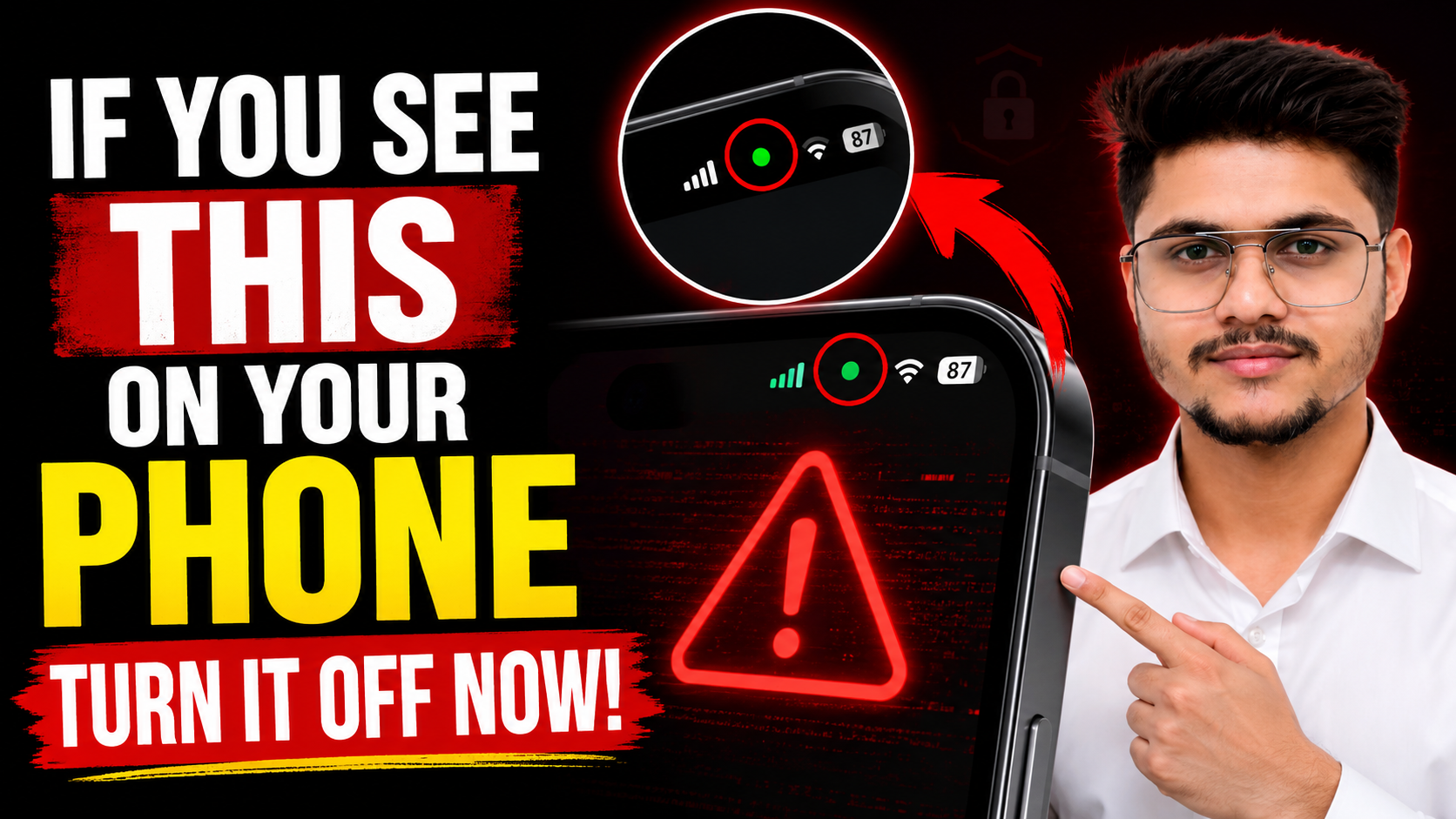
If These 3 Settings Are ON in Your Phone, Your Data May Be at Risk

If These 3 Settings Are ON in Your Phone, Your Data May Be at Risk

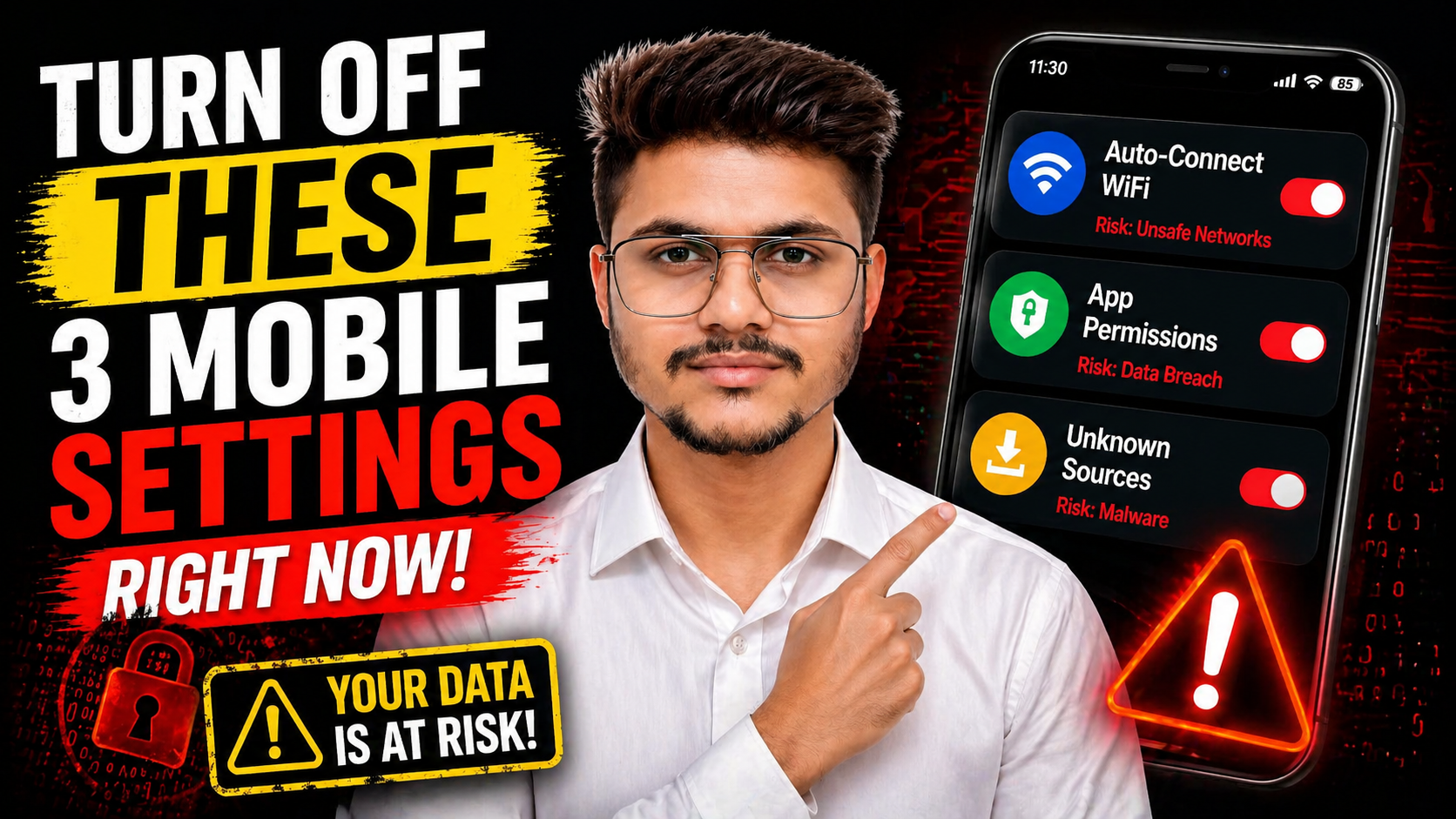
Most people assume their smartphone is secure right out of the box. But in reality, a few hidden settings can quietly expose your data without you even realizing it. Cyber threats today don’t always require advanced hacking skills. Sometimes, all it takes is a simple setting left enabled on your device. In this article, we’ll…

The VPN Paradox: Why Personal Encryption is Your BYOD Framework’s Biggest Blind Spot
|

The VPN Paradox: Why Personal Encryption is Your BYOD Framework’s Biggest Blind Spot

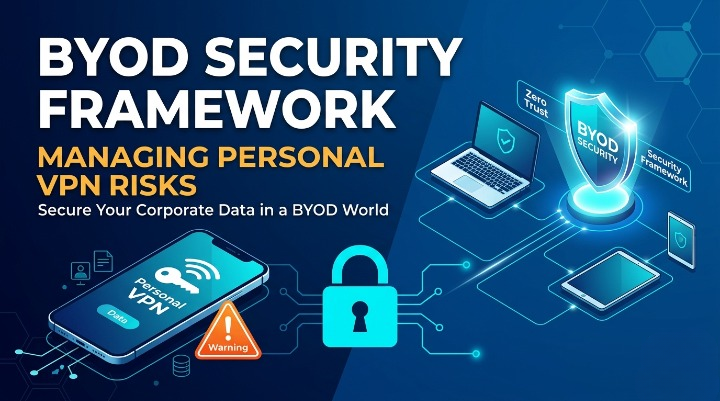
The “Bring Your Own Device” (BYOD) revolution was supposed to be a win-win: companies save on hardware, and employees get the comfort of their own tech. But as the traditional office perimeter dissolved, a new, quieter threat emerged. Employees are now logging into sensitive corporate databases while running personal, third-party VPNs. To the user, it’s…

Remote Team Security Policies: The Ultimate VPN Implementation Guide

Remote Team Security Policies: The Ultimate VPN Implementation Guide

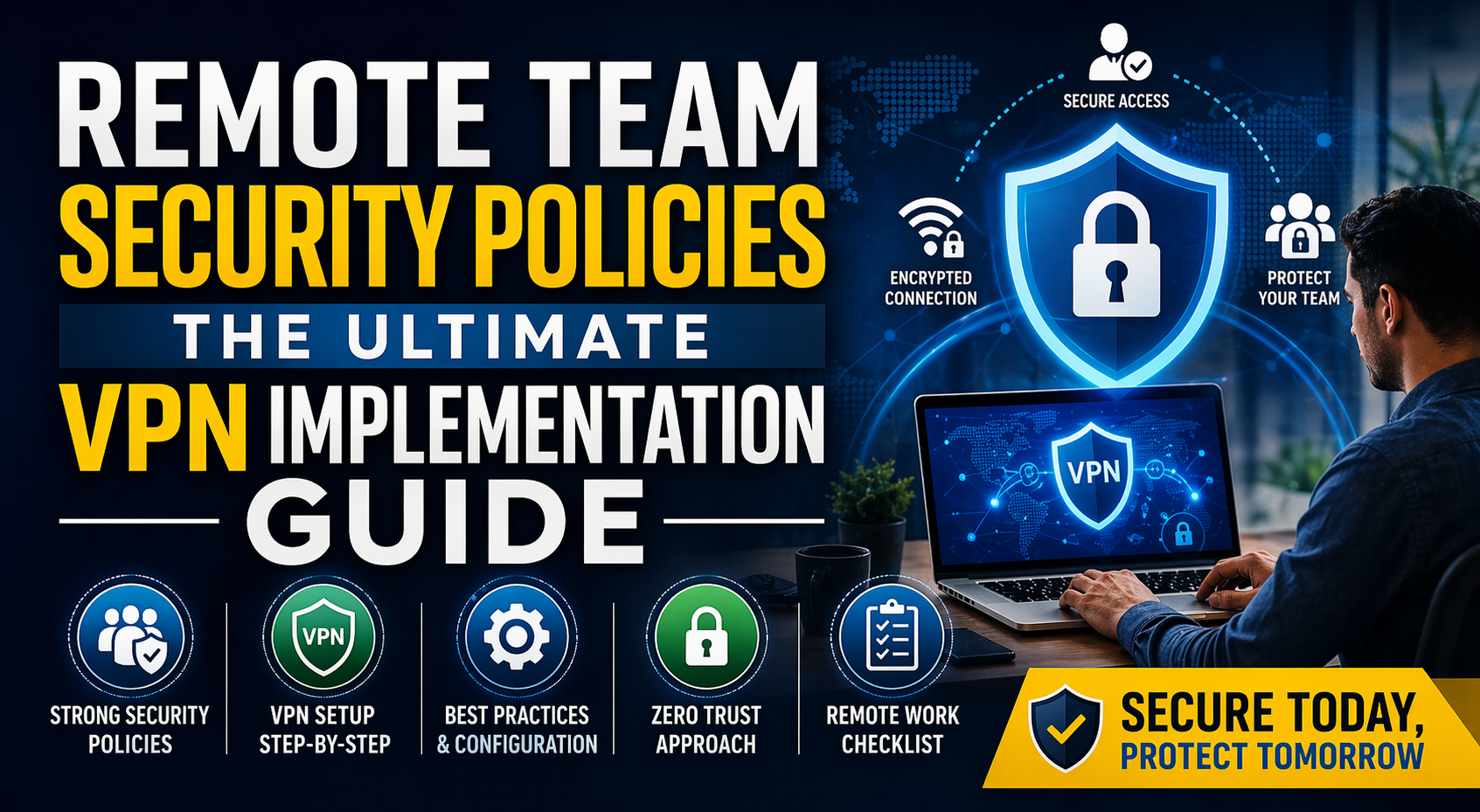
In the era of distributed workforces, the traditional “office perimeter” has vanished. Employees are now accessing sensitive corporate data from home offices, coffee shops, and co-working spaces. While this flexibility boosts productivity, it also opens the door to sophisticated cyber threats. To protect your organization, a robust Remote Team Security Policy paired with a strategic…

Business VPN vs Consumer VPN: What Actually Sets Them Apart

Business VPN vs Consumer VPN: What Actually Sets Them Apart

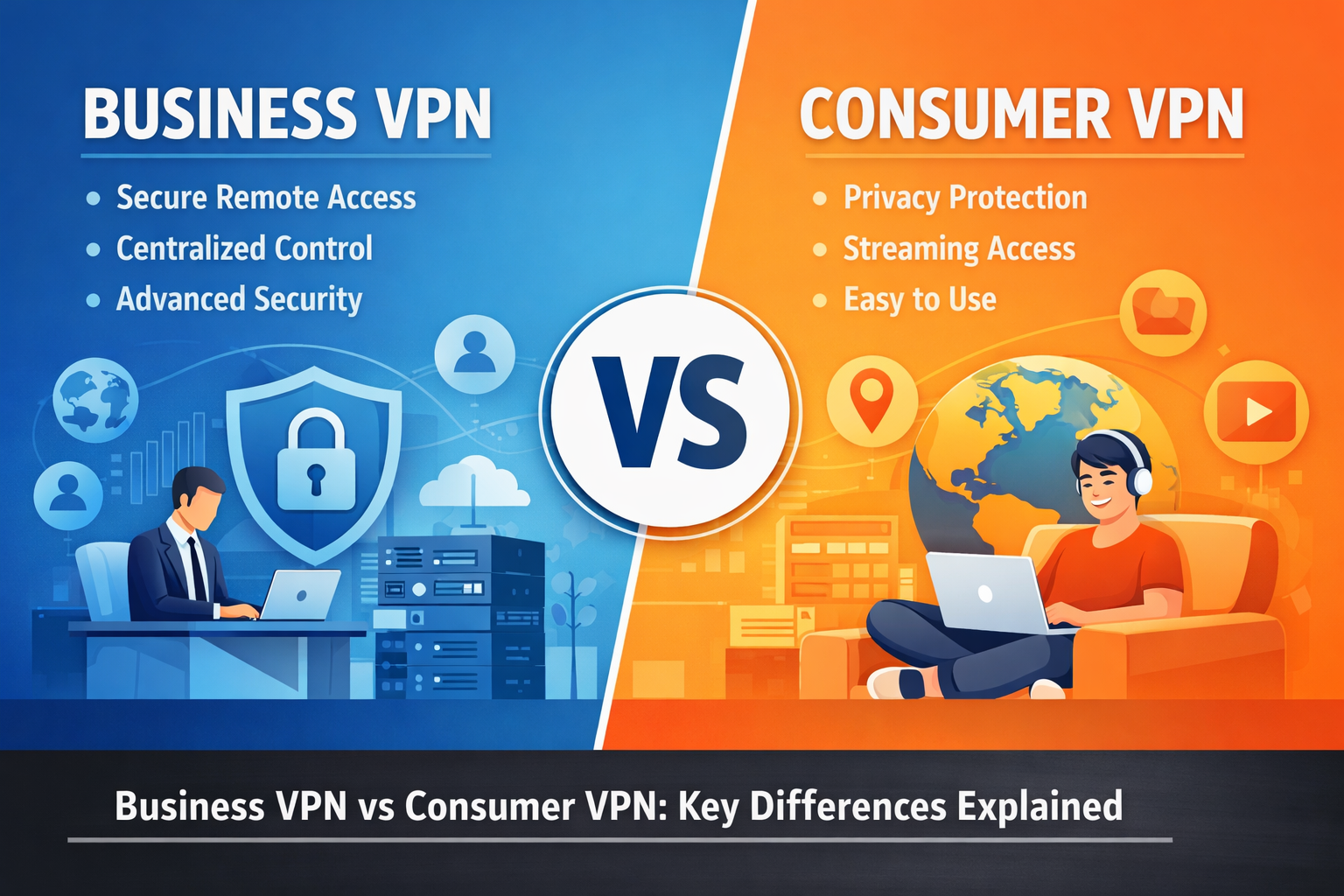
As digital security becomes a priority for both individuals and organizations, virtual private networks have moved from optional tools to essential infrastructure. Yet, the term “VPN” often creates confusion, especially when comparing consumer solutions with business-grade systems. At a glance, both appear to offer the same function: encrypting internet traffic and protecting user data. In…

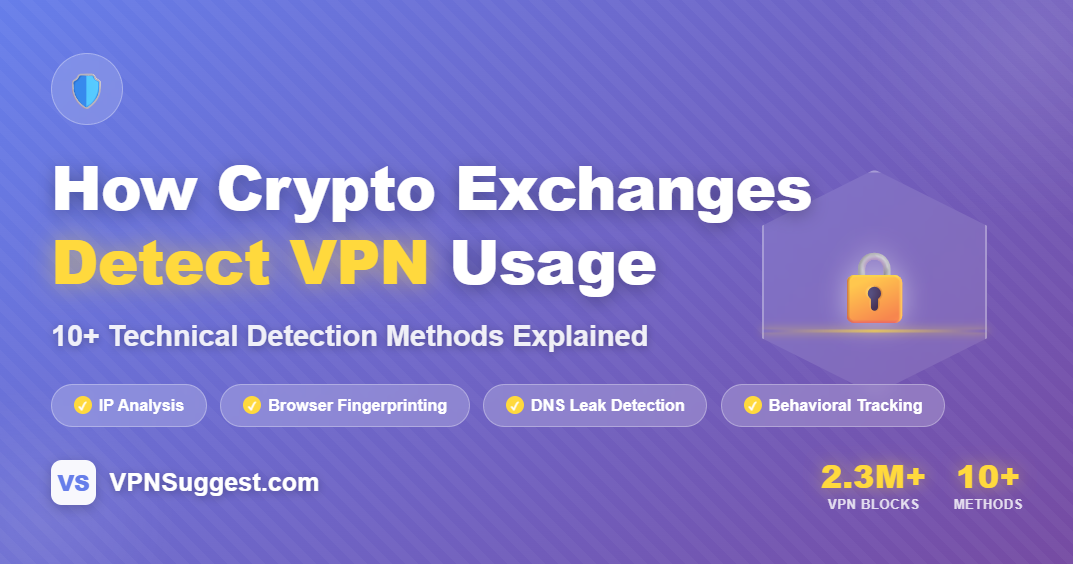
How Crypto Exchanges Detect VPN – Detection Methods

How Crypto Exchanges Detect VPN – Detection Methods

Cryptocurrency exchanges blocked over 2.3 million VPN connection attempts last year. When you try accessing platforms through virtual private networks, detection systems flag these attempts within seconds. Major platforms like Coinbase and Binance invest millions in detection technology. The question isn’t whether exchanges can detect VPNs – it’s how they do it so effectively. Understanding…